

HEIBERG ESTATES NEWSLETTER: MAY 2026
Dear Property Partners
There are still some sunrays shining through the darkening winter clouds in our property market. We entered 2026 with positive excitement and lots of momentum carried into the new year from several interest rate cuts, and with an expected positive outlook for property price increases and more sales volumes in all property sectors. There was proof of economic rebalancing and good prospects regarding our international credit-uprating, infrastructure improvements, more job opportunities, lower inflation, and a stronger rand. S&P Global Ratings also upgraded SA in November 2025 and Moody’s recent upgrade in SA’s prospects from stable to positive (which is the first positive upgrade since 2007), was giving hope for our macro-economic stability to be continued over the longer term. All of this puts prospective buyers in a much better position and with increased affordability, to invest in our property market. All signs were there that our property market would maintain its long-awaited recovery trajectory, whilst increased home loan application approvals underscored renewed interest and trust in our property market. The BetterBond Index of Home Loans granted went up to 11.8% in April year-on-year. With increased appetite for PPP (Private Public Partnerships), it was taken to be a catalyst and advantage for our property market to gain more momentum, especially looking at participation in key industries like energy, transport and infrastructure.
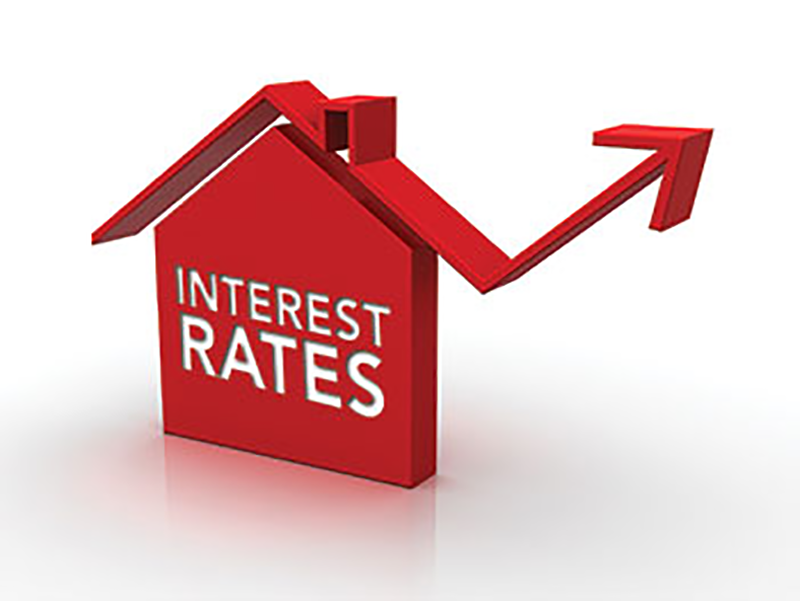
But – like a bucket of ice water – the Middle-East conflict hit, and where everybody was hopeful that it would be over within weeks, it is now in its third month with no real end in sight yet. The inflationary pressures driven by elevated global fuel prices is visibly seen and felt over the whole globe and will inevitably lead to tighter financial conditions. The International Monetary Fund has announced its reduced global economic forecast for this year to 3.1%, this in comparison to last year’s 3.4%. One of our leading economists, John Loos, recently lowered his SA GDP forecast for this year to 0.8% in comparison to last year’s 1.1%. This lower forecast is due to rising inflation and subsequent higher interest rate adjustments, like the .25% interest rate hike announced yesterday which is the first increase since May 2023, increasing the prime lending rate to 10.5%. The renewed downwards financial pressures that now has second-round filtered through and which is being felt in rising day-to-day living costs like food, fuel, municipal and utilities prices, will further limit disposable income. Reduced growth rates are expected to put further pressure on our own exports and restrict the creation of new sustainable jobs, further leading to constrained household income growth and people’s ability to invest in property.
The SA Reserve Bank has announced a 3% inflation target that was almost met until recently this year, and which was recorded at 3.1% year-on-year at the end of March, but our inflation rate lately increased drastically by almost a percentage point and is now hovering around 4%. Fuel increases filtering through the whole economic spectrum, being a main contributor. Year-on-year, the average fuel price increase nationally is 18%, and just in Gauteng, the petrol price has increased by 24.57%. Increased fuel prices are now feeding through into broader inflation and, once again, slowing down the momentum in our property market. After yesterday’s .25 % interest rate increase, we are expecting further .25% interest rate increases for the remainder of this year in order to push inflation back to around the SA Reserve Bank’s 3% target.
At least our broader economic affairs is still causing some optimism, where our cumulative trade surplus for the first quarter tripled to R77 billion. One of our biggest trade partners, China, introduced from 1 May 2026 a zero-tariff policy for African goods exporters which could at least buffer some of the recent bad news. The initial SA Property Market recovery monitored over the past 18 months or so, is expected to be continued, but at a much more moderate pace, and all pretty much dependent on what the trajectory of inflation and interest rates will be. Especially taking into account that property is a credit-driven market where increases in interest rates will have a direct impact on prospective property investors.
Some of the latest interesting facts and statistics, as follows:
- Rental demands are on the upturn, where prospective buyers due to the unstable economic state of affairs, are again opting to rent until things cool down. Rental increases in the ever-popular Western Cape have lately increased by 6.9% versus the national average of 4%. The province’s strong residential demand and tourism/hospitality popularity lead to demand exceeding supply, which are huge contributing factor to above-average price increases.
- StatsSA reports that Cape Town’s economic success and growth, with an ongoing demand for both properties to buy or to rent, is exceeding supply for properties in all price ranges, whilst average price increases outpace the rest of our country. Highly skilled and higher-income semigrants drive the high demand for properties in this province, with subsequent higher property price increases relative to other major regions. This has a positive effect on the economic growth and job creation in this province, as between the 1st quarter of 2015 and the 1st quarter of 2026, Cape Town recorded a cumulative growth rate of 30.92% in its total employment, also positively impacting its property market. In comparison, Johannesburg recorded a 0.41% decline and Pretoria a mere 5.86% growth in job creation.
- Lately, we have been observing an increase in the buy-to-let market, especially in sectional title as well as diplomatic rental properties, which are regarded as solid income-generating investments, with growth more or less on par with the inflation rate.
- John Loos reports that not the increasing fuel price, but the Houses and Utilities CPI, is still the biggest single contributor to the recorded April CPI inflation rate, accounting for 1.2 percentage points of the overall 4% inflation rate – increasing by 5.2% year-on-year, and this mainly caused by rising municipal rates and utilities costs.
- New data show an increasing semigration trend with growing numbers of people relocating back to Gauteng due to better jobs, lifestyle, and economic opportunities, as well as much cheaper properties available in all sectors, contributing to this trend.
- StatsSA house price data further shows that since the beginning of 2015, the average house price in Cape Town has more than doubled – 106.33% in cumulative growth! In Johannesburg, house price growth was 31.7% over the same period.
- In April, the year-on-year house price growth in South Africa was 5.4%, 0.3% lower than the previous month, whilst the average house price increases recorded over the first 4 months this year, was 5.7% – and above the average inflation rate of 3.4% so far this year.
- Since the rate-cutting cycle started in the third quarter of 2024, home loan applications increased by 6.2% year-on-year in April, whilst BetterBond recorded a 12.3% increase, and home loans granted, rising by 11.8%. First-time buyers increased by 10.3% on a yearly basis, and repeat buyers by 19.9%. With the latest negative impact on such a broad economic front and with no further interest rate cuts expected this year, our financial institutions are becoming more strict and increasing their criteria for home loan applicants. First-time buyers can expect to be in for deposits of around 38% of the home’s purchase price in order to get their bond application approved. Deposit increases across the board reflect growing concern and caution amongst our financial institutions amidst inflationary pressures due to the much higher fuel price feeding through into broader-based inflation.
- Johannesburg is in the top spot for home loans granted with a 23.3% national share and its region with 28.6%, followed by the Western Cape with a 19.3% share, North West with 16%, and greater Pretoria with 13%. Pretoria holds the second-highest average bond value of R1.5m.
- Price increases are filtering into our construction sector as well, pushing newly built property prices even higher. Cement rose by 13,7% year-in-year, and steel, electric cable, and other equipment also had double-digit increases. Overall construction costs rose by more than 4% so far this year and are expected to increase further. It is interesting to note that many prospective buyers looking for a stand to build are now contacting us for older properties with good locations to be upgraded and modernized at a much lower cost than building from scratch.
At this stage, all signs show a broad- based economic growth slowdown for the balance of this year with further interest rate hikes expected. All of the above-mentioned will inevitably have an impact on potential property buyers’ interest and ability to invest in property, so we are most probably heading again towards a more constrained property market with sideways movement, but still hopeful for moderate and gradual increases in property prices and sale volumes.
Good opportunities are again opening up for property investors, whilst sellers need to be aware that overpricing will not be supported by the existing status quo. Purchasers are well-informed and will focus on properties that are realistically aligned to demand, affordability, economic conditions, and timing in order to unlock the best possible property investment.
Please be assured of your Heiberg Estates Team’s commitment to be 24/7 at your service, whether you want to sell, buy, or rent. It is always a pleasure and a privilege to share our collective 50 years of property expertise with you. Don’t hesitate to contact us, we are there for you – our much treasured clients, friends, and colleagues. And it is always good to see so many of you visiting us for a cup of coffee and a recap on the property market status and prospects. Please come and visit us anytime!
We are virtually sold out – please let us know if you want to sell/rent or know of anybody who wants to sell! It will be deeply appreciated!
With best and warm regards.
Yours faithfully
Bambie & Heiberg Estates Team